
Lockout tagout training plays a vital role in protecting workers from hazardous energy during equipment servicing and maintenance. While many employers understand the importance of lockout tagout, training requirements are often misunderstood or overlooked. As a result, gaps in knowledge can lead to injuries, downtime, and compliance issues.
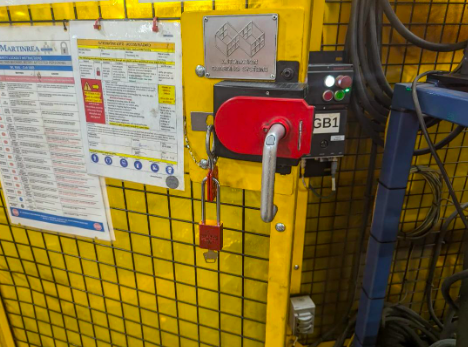
Lockout Tagout Requirements for Training
By understanding what proper Lockout Tagout (LOTO) training involves, employers can create safer and more reliable workplaces.
Understanding Who Needs Lockout Tagout Training
Not every employee requires the same level of lockout tagout training. Employers must identify authorized employees, affected employees, and other workers who may be present in areas where lockout tagout is used. Authorized employees need in-depth training because they apply locks and tags directly. Meanwhile, affected employees must understand how lockout tagout protects them and why equipment cannot be used during servicing. Clear role-based training ensures everyone understands their responsibilities.
Knowing What the Training Must Cover
Effective lockout tagout training goes beyond basic instructions. Employers must teach employees how to recognize hazardous energy sources and understand the types of energy present in their workplace. Training should also explain proper shutdown, isolation, lock application, and verification steps. Additionally, workers must learn how to safely remove lockout tagout devices after work is complete. When training covers these areas, employees are better prepared to follow procedures correctly.
Providing Initial and Refresher Training
Training should begin before an employee performs any lockout tagout-related tasks. However, initial training alone is not enough. Employers must also provide refresher training when procedures change, new equipment is introduced, or inspections reveal unsafe practices. Moreover, retraining is necessary if an employee demonstrates a lack of understanding. Regular refreshers help reinforce safe habits and keep procedures current.
Documenting Training and Maintaining Records
Documentation is a key part of lockout tagout compliance. Employers must maintain records showing who received training, when it occurred, and what topics were covered. These records help demonstrate compliance during inspections and audits. In addition, proper documentation allows employers to track training needs and schedule updates more effectively. Organized records support accountability and continuous improvement.
Reinforcing Training Through Inspections and Communication
Training becomes more effective when reinforced through ongoing communication and inspections. Periodic lockout tagout audits help identify gaps in understanding and correct unsafe behaviors early. Supervisors should also encourage open discussions about safety concerns and procedure improvements. By combining training with regular oversight, employers strengthen compliance and promote a proactive safety mindset.
Conclusion: Lockout Tagout Requirements for Training
Lockout tagout training requirements are essential for protecting workers and maintaining compliance. By understanding who needs training, what it should include, and when to provide refresher sessions, employers can reduce risks and improve safety outcomes. When supported by proper documentation and ongoing reinforcement, lockout tagout training becomes a powerful tool for preventing injuries and creating a safer workplace for everyone.

Recent Comments